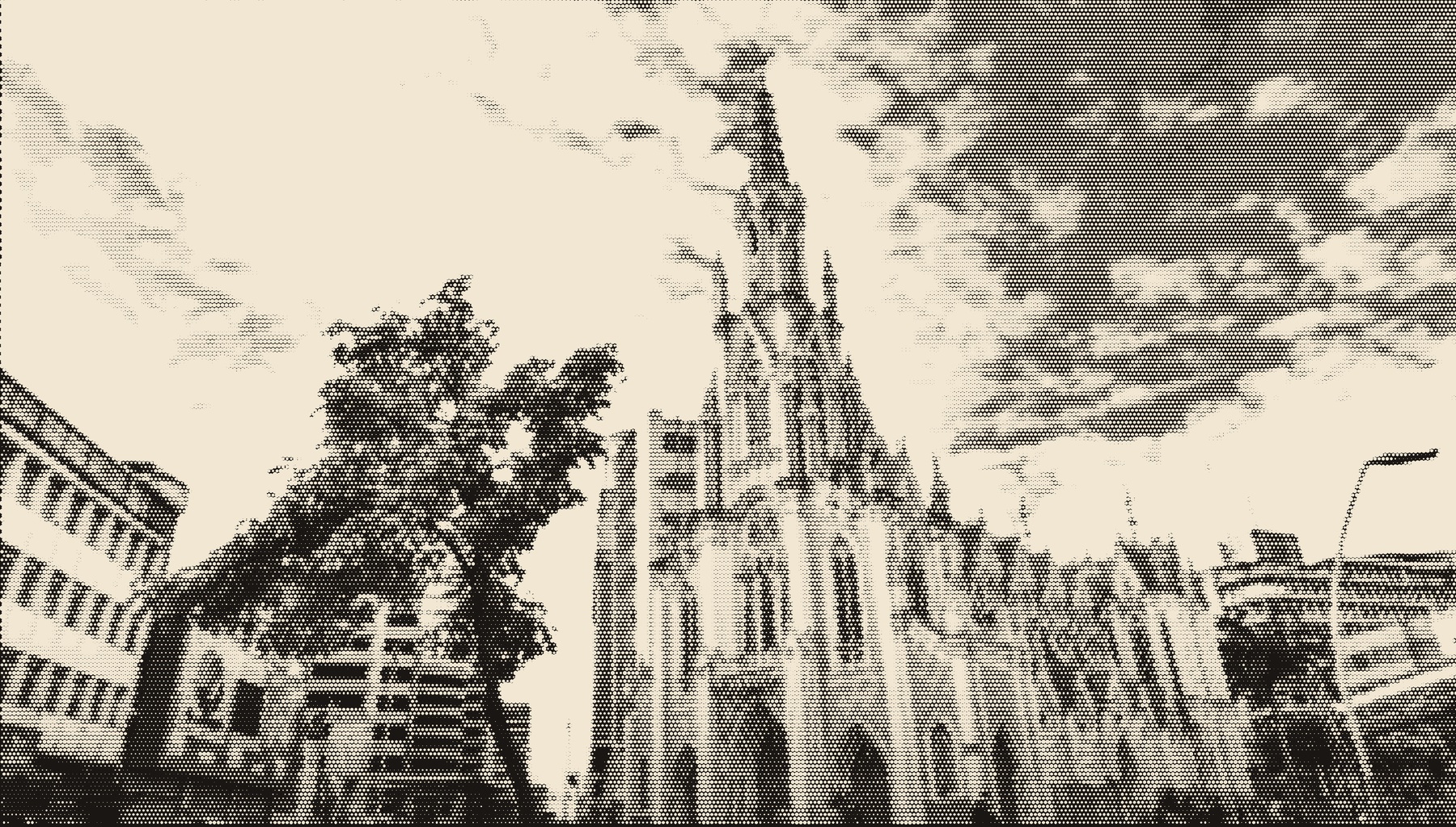





Everything I play came from the same place and landed in different ports.
Amapiano from Johannesburg, afrobeats from Lagos, dancehall from Kingston, baile funk from Rio, champeta from Palenque, currulao from the Colombian Pacific and salsa from my own city. People hear seven genres from seven countries. It is one root arriving through seven ports.
Champeta exists because sailors in Cartagena and Barranquilla brought African records back on the ship. That is not a nice metaphor: that is port history.
I was born in Cali, the salsa capital of the world, ninety minutes from Buenaventura, the Black port of the Colombian Pacific. Before I played records I built bars, restaurants and clubs. Curator and melómano (record digger): what I play did not come off a playlist.
I do not reach Africa through Europe. I reach it from the other side of the Atlantic. I make the trip in reverse.

What I play. If it does not belong to a port, it does not play.
 Salsa brava, guaguancó, salsa dura
 Currulao, bunde, abozao, chonta marimba
 Champeta, terapia criolla, picó
 Dancehall, reggae, riddim, bashment
 Plena panameña, bultrón
 Afrobeats, alté
 Amapiano, afro house
 Baile funk, batidão, samba
 Cumbia, porro, mapalé, merengue, mambo
 Mode up, calypso, socca
Two parties, and they are not the same thing.

The afro-global one. The house party. Where everything that lands in these ports ends up on the same floor: amapiano, afrobeats, champeta, dancehall, currulao.
A party with a theme, not a request list. If it played, it came from a port.
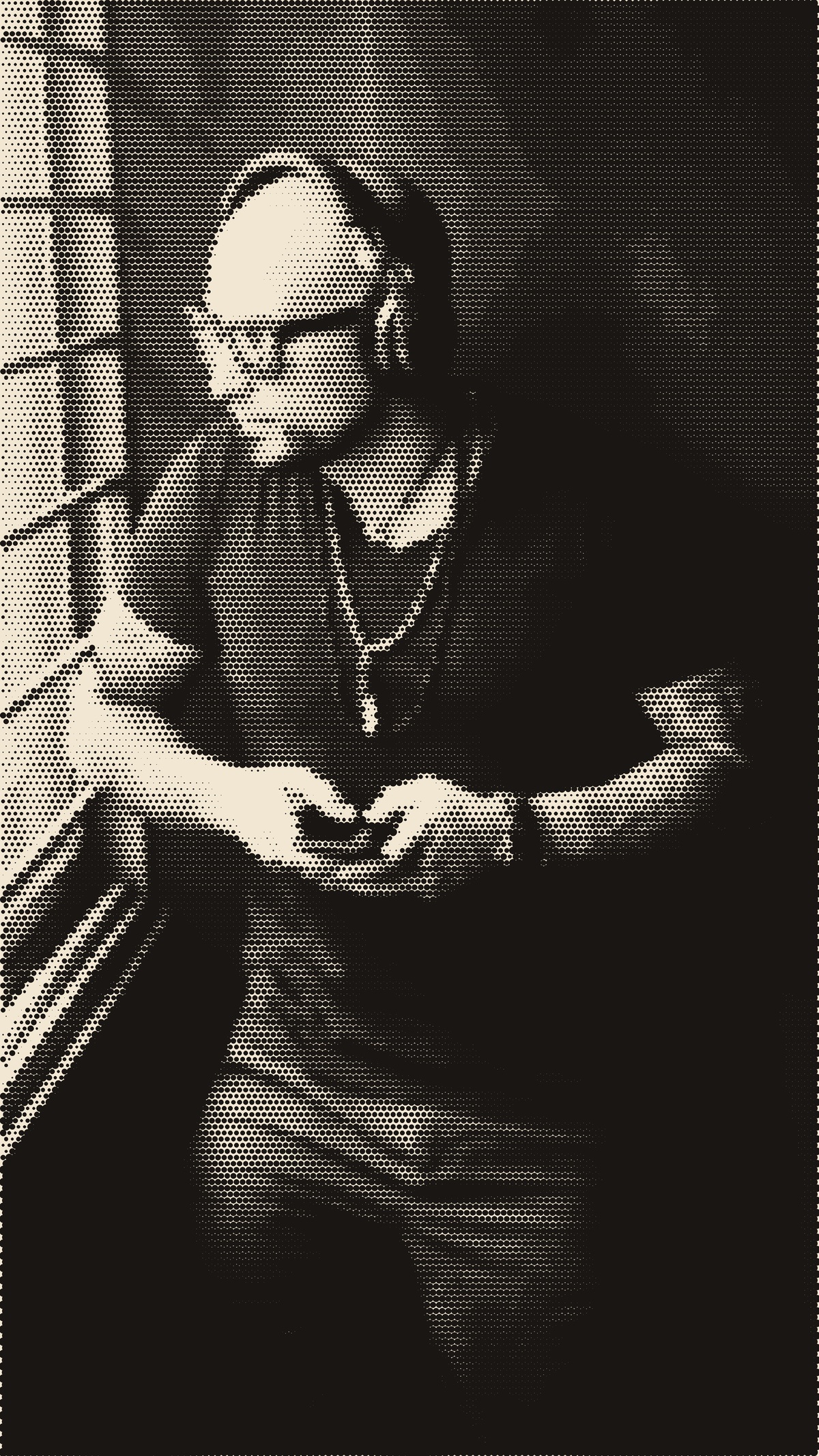

The other one: retro Latin sounds, in daylight. The party I produce myself, roaming across Los Angeles and Orange County. It started at night and it comes back in daylight: with sun, and with the people who no longer go out at 2am but will absolutely dance at three in the afternoon.